Let me tell you how I ended up here.
Last summer I got intentional about my garden in a way I had not been before. Not just throwing seeds in dirt and hoping. Actually thinking. What do I eat a lot of? What costs a fortune at the store? What can survive me being on a plane and gone for two weeks while someone else minds the water?
That kind of intentional.
And this spring, I am back at it – smarter, more specific, and with one very important new rule.
No cruciferous vegetables.
I know. I know. Broccoli is nutritious. Cauliflower is versatile. Cabbage is a whole food group in some cultures. I respect all of that. What I cannot respect is what Retatrutide (GLP-3) does to cruciferous vegetables inside my body and what my body then does to everyone in my vicinity. We are talking sewage-level gases. Banishment-from-public-and-private-spaces level. I made a decision. The broccoli lost.
What is actually going in the ground.
Cantaloupes. Melons. Zucchini. Peppers. Tomatoes. And all the herbs – every last one.
Some of these because I eat them constantly and the grocery store prices have lost their minds. A single cantaloupe is looking at you like it has equity in your household. Tomatoes, peppers, zucchini – these are staples for me. Growing them is not a hobby. It is a budget decision with better flavor.
Everything is interspersed with nasturtiums, marigolds, green onions, and sunflowers. Not for aesthetics – though they are beautiful. For the bugs. These companion plants confuse and repel the pests that would otherwise treat your vegetable garden like a buffet. I also use netting. Liberally. No apologies.
I built this garden around my actual life.
Here is what most gardening advice misses. It assumes you are home. It assumes you have time. It assumes your biggest problem is which heirloom tomato variety to choose.
My biggest problem is that I travel. A lot. So last summer I sat down and thought hard about growing cycles – which vegetables can be planted, left largely alone, and harvested in the windows between trips. Longer growing cycles became a feature, not a hinderance. Something that needs daily attention got crossed off the list.
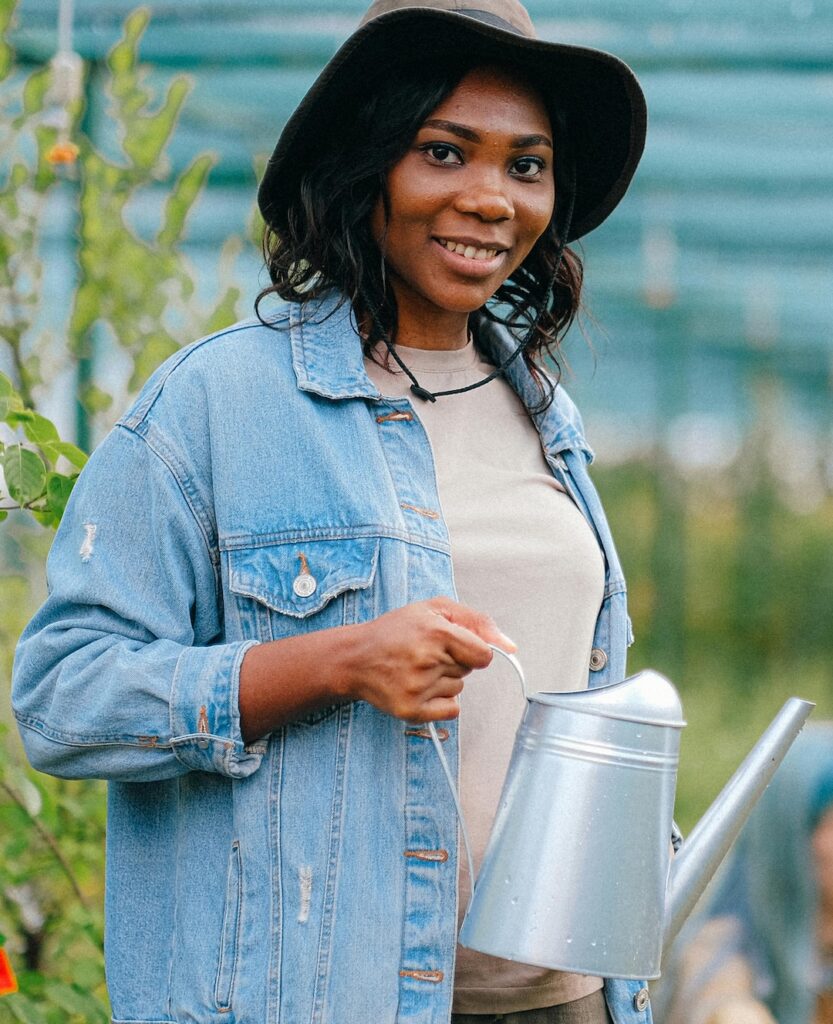
I have automatic waterers and soaker hoses running through my raised beds. A friend’s daughter comes by once or twice a week to refill the water containment bins at the back of the property. The other plant zones are on automatic waterers on the front & back of my house using hoses & house water. That is my whole system- yes, it’s a lot, but I put it together and it works fantastically without spending a lot of money. It works because I designed it around my schedule, not around what a gardening blog said I should do.
The only advice that actually matters.
Grow what you like to eat.
Not what is trending. Not what the seed catalog made look beautiful. Not what your neighbor grows or what some wellness influencer said is the most nutritious option.
If you do not like beets, do not grow beets. You will resent them from seed to harvest and then feel guilty about not eating them anyway. Grow the thing you will actually be excited to walk out and pick. Grow the thing that makes the grocery bill hurt a little less. Grow the thing that connects you to what food is before it gets a price tag and a wax coating.
Last summer taught me that a garden you design around your real life – your travel schedule, your appetite, your actual capacity – is a garden you will keep coming back to.
This summer I am showing up with cantaloupe seeds and zero cruciferous vegetables.
And I have never been more at peace with a planting decision in my life.
What are you growing this spring? Or what do you wish you had the space to grow? Drop it in the comments.