Let’s start with the bill.
The average American family is spending roughly $1,200 more per year on groceries than they did in 2020. Beef is up over 14% from last year. Sugar and sweets up nearly 6%. Fresh vegetables climbing. And analysts are warning that the real tariff impact – the one from last year’s trade chaos – hasn’t even hit shelves yet. That wave lands mid-to-late 2026.
So the prices you’re gritting your teeth at right now? Warm-up act.
But here’s what I need you to sit with. Because the price is only part of the problem.
You’re paying more. For less.
Not less quantity. Less quality. Less safety. Less of what food is actually supposed to do for a human body.
The United States operates on a simple principle when it comes to what goes in your food: it is allowed until someone proves it kills you. And proving it kills you takes decades, mountains of data, and usually a class action lawsuit. In the meantime, you eat it.
Europe works the other way. If there is credible evidence something might be harmful, it gets restricted until safety is confirmed. That is why the same Skittles sold in America have been reformulated in Europe. The same Froot Loops. Little Debbie Swiss Rolls. Gatorade. Kraft and Kellogg use different, safer ingredients in their products overseas than they do here. Same companies. Different standards. Depending on your zip code, you get a different product.
A food additive expert at the University of Sussex told CBS News that Americans have almost certainly developed cancers they would not have developed eating exclusively in Europe.
Almost certainly.
We just accepted that.
And we say nothing.
We talk about the price of eggs. We complain at checkout. We post about inflation. But the conversation almost never gets to the next question, which is: what are we actually buying?
A McDonald’s cheeseburger left at room temperature will not decompose for years. Not because it is preserved with love. Because it is preserved with chemistry that your body was not designed to process. We know this. We laugh about it. We eat it anyway.
Because it is cheap. Because we are tired. Because nobody told us the full story and we were busy surviving to go looking for it ourselves.
That is not a personal failure. That is a system working exactly as designed. Keep people stretched thin enough that they cannot afford better options or the time to question the ones in front of them. Then charge them more for the same thing. Then bill them again when they get sick.
Here’s what to do with this anger.
Read the label. Not the front of the package – the front is marketing. The back is the truth.
Look up the Environmental Working Group’s Dirty Dozen list. These are the twelve most pesticide-contaminated fruits and vegetables. Buy those local, or put them on your spring list of veggies to grow all summer. Remember – organic is better, not best.
Start asking one question at the grocery store: does this exist in a cleaner version somewhere else? Most of the time, it does. Store brands, whole foods, less processed options. Not always cheaper. But sometimes.
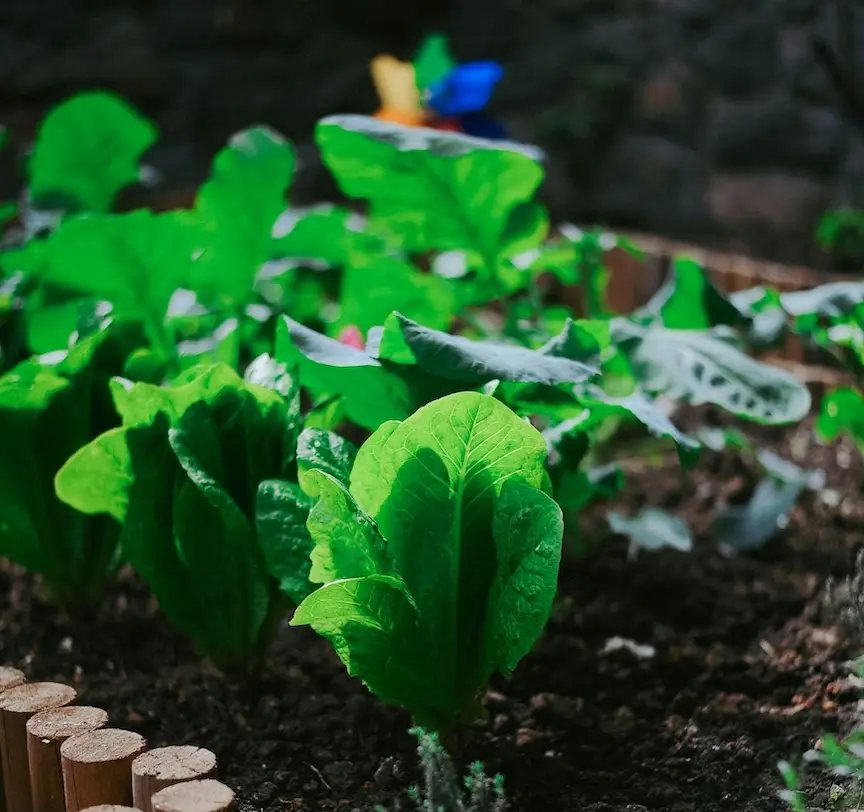
Grow something. Anything. A tomato plant in a pot. Herbs on a windowsill. The act of growing food, even a small amount, reconnects you to what food is actually supposed to be.
And vote like your plate depends on it. Because it does. Food safety policy is not boring. It is not a niche issue. It is the thing on your table three times a day that is either working for your body or working against it.
The price going up is an outrage. The quality already being what it is – that is the bigger crime. And we deserve to be loud about both.
What have you changed about how you shop or eat once you learned what was in your food? Drop it in the comments.