The clocks fell back, and everybody got an extra hour. I’d like to know what we did with it.
Mine went to nothing I can name. That’s the trouble with a free hour. It doesn’t come with a job.
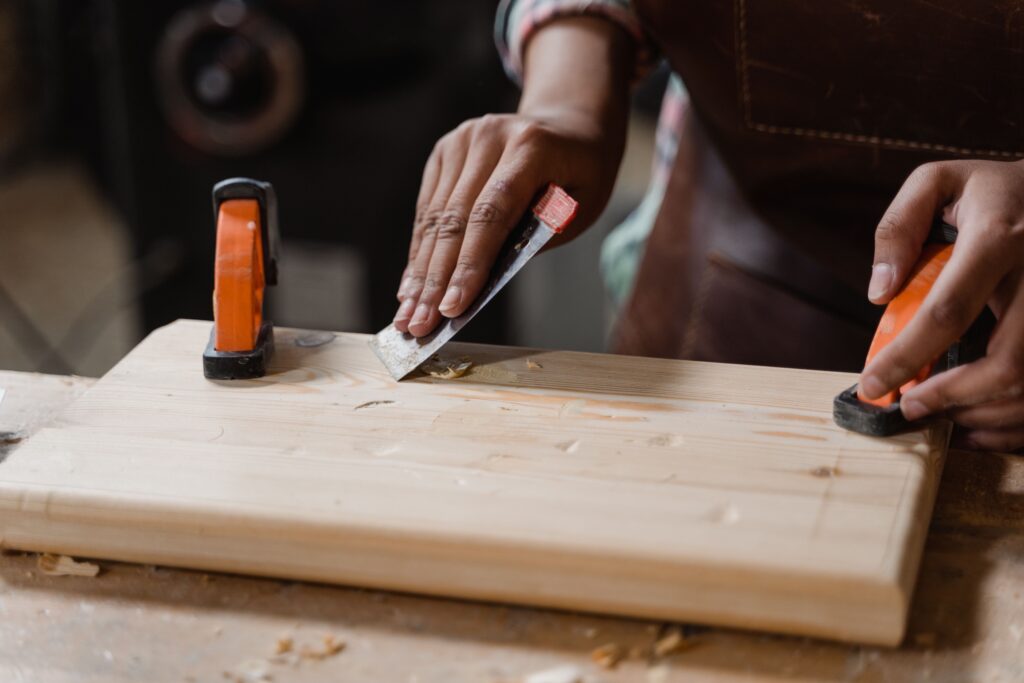
What came with it was the dark. It’s dark outside before dinner now, and the year has 52 days left in it. In August, I wrote about a pile of lumber sitting in my garage, waiting to become a planter bench. That post is “The Wood Is in My Garage. Has Been for a Month.” Update: the bench is done. I didn’t finish it because my motivation showed up. I finished it because it got cold, my plants needed a warm place to go, and I had no choice.
I’m a morning person. My sharpest thinking happens before 3 pm. And for weeks, I walked past that garage door like it was somebody I owed money.
Let me say something plain about that, because I spent years getting it wrong. It isn’t laziness. Laziness is not wanting to do the thing. I wanted to do the thing. I wanted that bench built and holding my plants. I stayed away because finished means done, and done means somebody gets to look at it. I don’t fear failing. I fear it working.
Then the temperature dropped, and the argument was over. Cold doesn’t care about my mood. It shows up on schedule.
Most of what we put off isn’t hard. It’s loaded. It’s the doctor’s appointment you’ve moved twice. It’s the call you owe somebody. It’s the drawer, the paperwork, the thing you said you’d start “after the holidays” 3 years running. It means something, so we keep it in the later pile where nobody can judge it.
So here’s how I’m sorting the last 52 days. Take what’s useful.
Start with the dates that don’t care about your mood. My bench had one, and it was the weather. Yours are on the calendar. Some deadlines run on their own clock. Many flexible spending accounts have a use-it-or-lose-it rule, and plans differ on grace periods, so read yours. Open enrollment for benefits and health coverage has a close date, and it’s different for each plan. Retirement contributions through your paycheck stop on December 31. Charitable gifts have to be made by then to count for this tax year. Look up each date today and put it on your calendar with an alert a week early. That’s one sitting, and it covers the stuff that costs you money when you miss it.
Next, pick three. Not ten. Write down everything you’ve been meaning to do. All of it. Then cross things out until three are left. The three that stay are the ones you’d be sorry about on December 31. The rest don’t get deleted. They go on a different list.
Call that list Not This Year. Naming what you’re dropping on purpose is a relief you can’t get from a to-do list that just keeps growing. A thing that sits on your list and never gets done costs you every time you see it. A thing on the Not This Year list costs you nothing.
Then count backward. 52 days is about 7 weeks. Thanksgiving week and the last week of December are mostly gone, so call it 5 real weeks. Three things in 5 weeks leaves room for a cold, a flat tire, and a relative. Put each one on a specific week.
When the week comes, use the 15 minute rule from the garage post. Set a timer. Work until it rings. You’re allowed to stop. Most days you won’t, because starting was the whole problem.
Now the part I had to learn the hard way. You can set the morning up perfectly and it still might not happen.
Here’s my perfect start. I slept in 2 stretches with one potty break between them, because I drink through the night, and I still got a full 7 hours. Check. I had a good cup of tea and a breakfast snack. I have 30 minutes and nothing standing between me and the project. No excuse left on the table. And I wait anyway, for my mood to be right. That’s how the lumber sat in my garage.
That’s the catch. We treat mood like the last ingredient. It isn’t. Sleep, tea, and a snack are conditions, and they help. Mood is a result, and it usually shows up after you start, not before. I wait for the feeling that says go, and the feeling is waiting on me to go first.
No guilt necessary. I mean that. Guilt burns the same energy you need for the project. What works better is making the start so small that mood doesn’t get a vote. Lay the tools out the night before. Open the file, or set the wood out where you can see it, and walk away. Tell yourself the whole job is to touch it. Then set the timer for 30 minutes, or 15 if 30 sounds like a lot. When it rings, your mood is allowed to weigh in. Mine usually says, “Fine, a little longer.”
Now say the 30 minutes goes badly. You cut the board wrong. The file won’t open. You stare at the screen and write one sentence you hate.
So what?
A botched 30 minutes is just that. Walk away. Put the tools down, close the laptop, and leave the mess right where it is. You aren’t fixing it now, because you’re not in shape to fix it. Un-messing something takes a clearer head than making the mess did. Come back when you have one. Tomorrow works. After a nap works.
What you don’t do is carry it. It isn’t a verdict on you, and it doesn’t get a vote on the rest of the day. Eat lunch. Take the call. Take the dog out. Go back to being a person with a whole day left.
The mess will keep. It’s a lot easier to look at once you’ve walked away from it.
The good night and the good tea are for the days they happen. The project also needs the Tuesday with the bad night and the mediocre cup. Do the hard one in the morning anyway, before 3, while your good hours are still yours.
Here’s the part I owe you, the real version.
The bench opened up a new project all on its own. The wall with the outlet that runs my grow lights also holds my storage and some of my shop stuff. The long wall of the garage holds my wardrobes of off-season clothes and gowns. They need to switch places. Then I can reach the clothes, the shop gets more room for tools, and everything lives together on one long wall. It’s a genius idea. It also takes time and a good bit of energy.
So I’ve been avoiding it. I have piles for each area spread across the first floor, because I didn’t want to bring everything out and make more chaos. Here’s what I missed. The chaos I was avoiding is already on my first floor.
I moved about 40% of it this weekend because I was in a good headspace. That’s the mood version, and I’ll take it whenever it shows up. The other 60% needs the timer version. My travel schedule starts back up soon, and that’s my cold. It’s the date that doesn’t care how I feel.
So this week gets 30 minutes at a time, one zone at a time. I finish a zone before I start the next one.
Why does guilt never help? The researchers who study this, Tim Pychyl at Carleton and Fuschia Sirois at Sheffield, call procrastination an emotion problem, not a time problem. We put the task off to dodge the feeling it stirs up, whether that’s dread, self-doubt, or plain overwhelm, and the relief is instant. That teaches us to do it again. Then guilt piles on, because beating yourself up raises your stress, and stress sends you looking for more relief. In a 2010 Carleton study, 134 first-year students who forgave themselves for putting off studying for the first midterm put it off less before the second one.
Now add the part that’s specific to us. In a 2019 study in the American Sociological Review, Allison Daminger interviewed 70 people from 35 couples about who does the thinking that keeps a household running. Women did most of the anticipating and monitoring, which is the remembering, noticing, and tracking nobody sees. That’s my read, not hers, but a woman who already carries that for the house, the job, and everybody in them has a long list of things that get noticed when they slip. Her own project isn’t on that list. Nobody sees it slipping, so it slips.
My tea is gone, my breakfast snack is gone, and the first pile is waiting. My travel arc starts up again soon. I’m not guilty about it. It is what it is.
What’s the one thing you keep walking past, and which list does it go on?