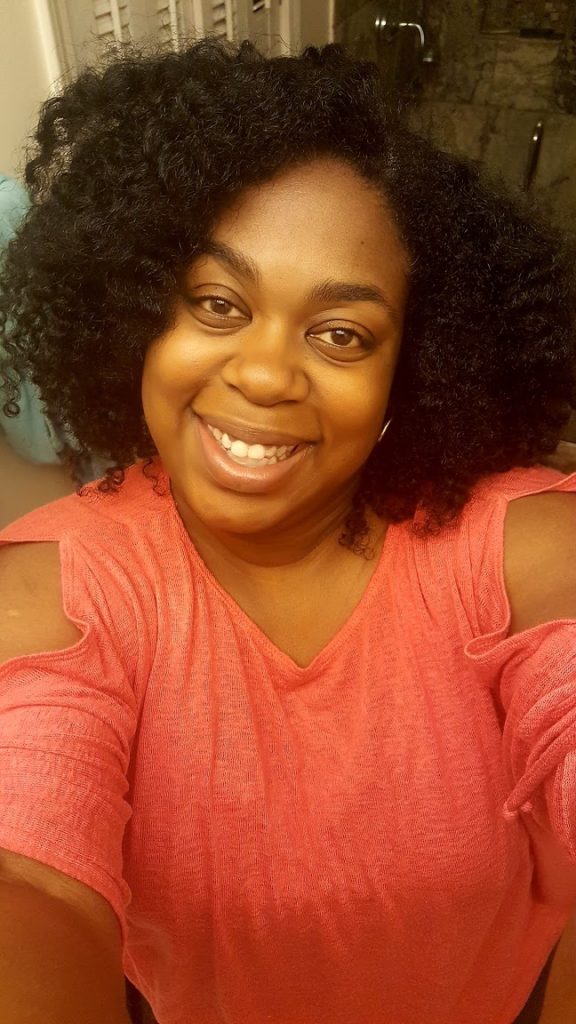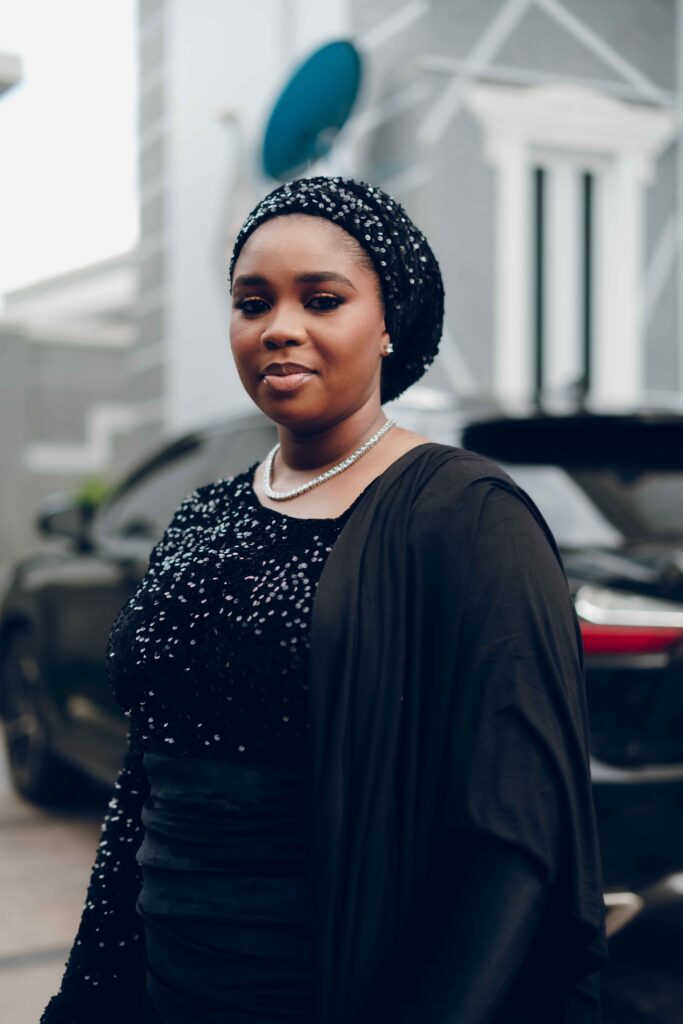
Every Black woman I know has an Auntie who wasn’t her mother’s sister, and most of us can’t tell you the exact moment the title got attached to her. There was no ceremony. Nobody handed her a certificate. One day she was just the woman who showed up, and the showing up kept happening long enough that a family word settled onto her the way dust settles onto a shelf, quietly, and then all at once you look up and it’s always been there.
I built an AI avatar this week and named her Auntie, and I want to be honest about what that choice actually meant, because I don’t think I gave it the weight it deserved when I did it. I reached for that word because it was the fastest way to signal warmth and competence at the same time, a woman who’ll handle your business and also tell you the truth about your outfit. What I didn’t stop to think about, until I sat down to write this, is that I was borrowing a rank that real women spent real years earning, and borrowing it for free.
Here’s what the word is actually carrying. Black feminist scholars, Patricia Hill Collins chief among them, have a name for this, othermothering, the practice of women who take on a mothering role for children who aren’t biologically theirs, inside a community that’s always understood family as something built by function rather than only by blood. This wasn’t incidental. It was infrastructure. When the systems around Black families were designed to be unreliable, unstable, or openly hostile, a web of othermothers is what actually held children upright. Grandmothers, neighbors, church women, the Auntie down the street who fed whoever showed up hungry regardless of whose child they technically were. That’s not a sentimental detail. That’s a documented survival strategy, built by necessity, that outlasted the necessity and turned into culture.
I think about the specific women who did this work for me, and I still have women in my life today who I consider Aunties, not because we share blood, but because they’ve earned the rank the same way the ones before them did. I need them. I cherish them. I’m not going to pretend I can name every debt I owe in that direction, because some of it I didn’t clock as debt until decades later, and some of it I’m still collecting in real time, this year, this month, from women who are still very much alive and still very much showing up.
That distance is the entire mechanism. A mother’s inside the fire with you. An Auntie stands close enough to reach in and pull you out, but far enough that she can still see the shape of the whole room. That’s not a lesser kind of love. It’s a different specialization, and both are required, and neither one is optional if a child’s going to make it all the way through to adulthood intact.
I don’t think the internet version of Auntie, the meme version, the caption version, understands any of this. Auntie became shorthand online for a certain kind of humor, a certain kind of side-eye, a certain kind of unbothered energy delivered with a drink in hand. I’m not opposed to the humor. I’ve laughed at plenty of it myself. But I want to name the difference between the aesthetic and the actual job, because the aesthetic is free and the job costs something real. The job means you show up at the hospital at two in the morning for a child who isn’t yours because the mother who’s supposed to be there can’t get away from her own situation. The job means you take a phone call you didn’t want to take, from a teenager who trusts you more than the parent, and you carry what they tell you without ever repeating it back to the person who could use it as a weapon. The job means loving somebody’s child hard enough that if it ever came down to it, you’d stand between that child and something dangerous without checking first whether it was technically your responsibility to do so.
Here’s the balance an Auntie has to strike, and it’s different from parenting on purpose. I’m Auntie to several young adults now, nieces and nephews by choice more than by blood, and the job requires two things at once that don’t usually live in the same person. I’ll give you the business. I’ll tell you the truth about the decision you’re about to make before you make it, blunt, no cushioning, because that’s the whole point of the rank. And in the same breath I’ll be the one on the dance floor with you, twerking with the best of them, because an Auntie who can only scold you is just a smaller, scarier version of a parent, and that’s not the assignment. The assignment is both. I happily take the highest of the highs and the lowest of the lows from my nieces and nephews, the wins they’re too shy to tell their parents about and the mistakes they’re too scared to. Sometimes a young person isn’t in the right headspace to hand either one of those to the person who raised them. That’s not a failure of the parent. That’s just physics. Somebody who loves you at a slight distance can hold what the person closest to you can’t always be handed.
I’ll say this once and leave it there. The AI Auntie I built this week runs on the same pattern the real ones did, showing up on repeat until it becomes a personality. That’s the whole trick. But the women who built this tradition didn’t need a training file to figure it out, and I’m not interested in giving a piece of software more credit than the women who did it first, for free, for decades, with nothing but stubbornness and love. The rank still belongs to them. I’m just trying to earn my own way onto that list, one urgent phone call at a time.
If you’ve got an Auntie who wasn’t blood, who showed up anyway, tell me what she did that your mother couldn’t. I’m still working out the full list of mine.