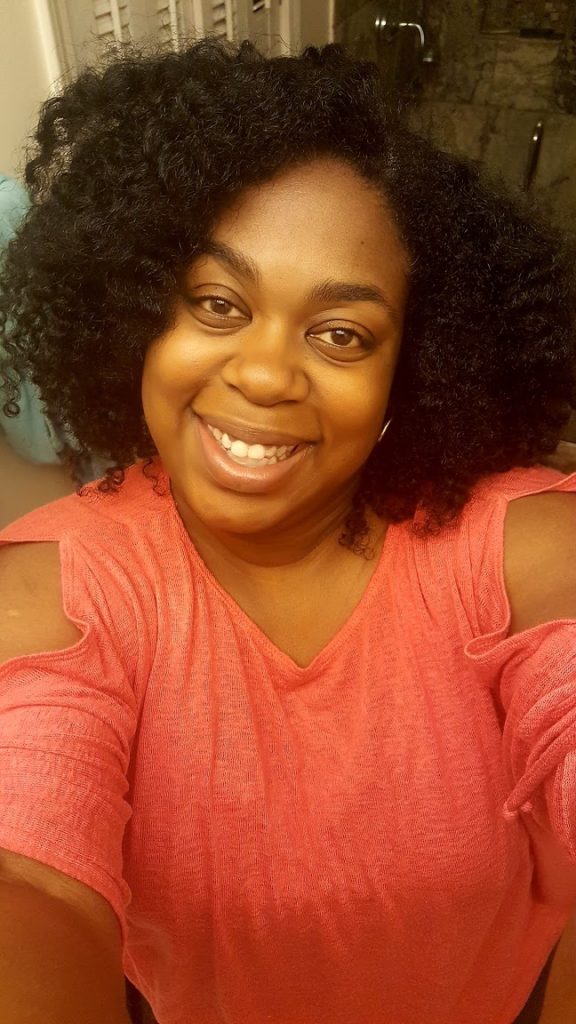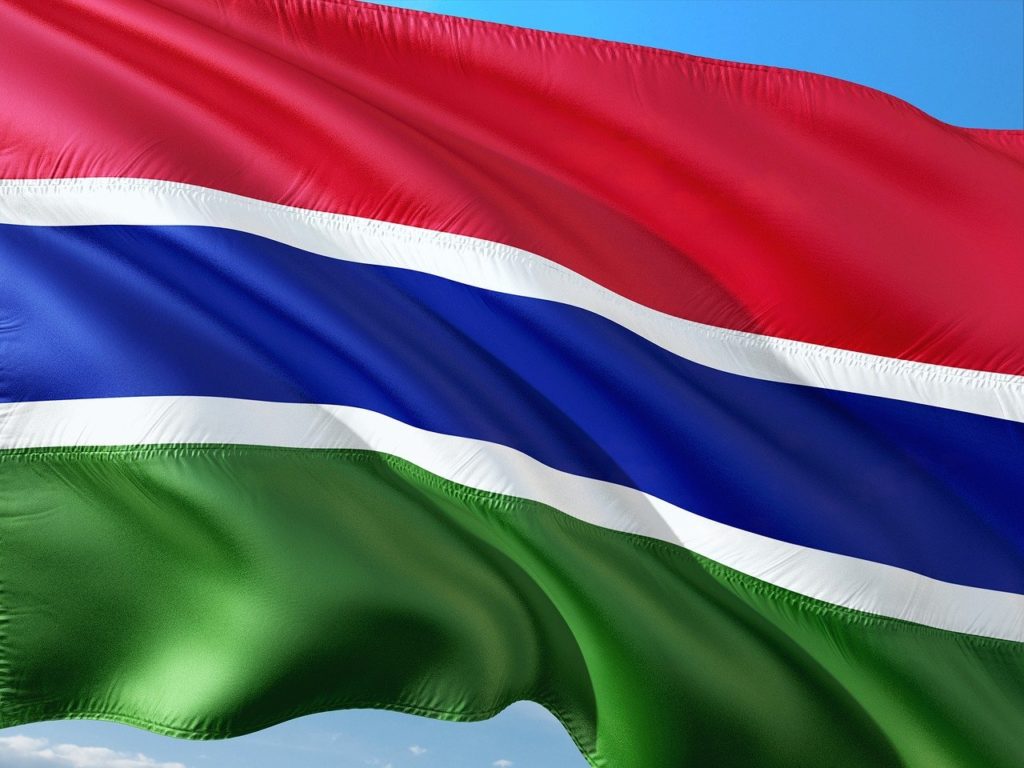
Close your eyes for a second. Imagine sitting on a veranda as the sun comes up. Not a resort veranda. Your veranda. Birds you cannot name making sounds you have never heard anywhere else on earth. No traffic. No notifications. No news cycle. No America. Just air and light and something your nervous system has been looking for your entire life without knowing what to call it.
That is my Gambia.
I own a compound there. And every time I sit on that veranda and let the birds do what they do, I feel something I have never felt anywhere else. Complete peace. The kind that does not require anything from you. The kind that just exists.
I am telling you this first because everything I am about to say is complicated. And I need you to know that the complicated part did not kill the love. It just matured it.
What We Believe Before We Go
African Americans have a particular relationship with the African continent that is unlike anything else in the diaspora experience. It is not just curiosity. It is longing. Deep, cellular, unresolvable longing for a place that was taken from us before memory. We carry Africa like a phantom limb. We know something is missing. We just cannot always name what it is.
So, we go looking for it. We pack our bags and our hopes and our need to belong somewhere and we get on a plane. We arrive expecting homecoming. We arrive expecting to be seen not as Black Americans, not as descendants of slaves, not as foreigners, but as family returning after a long absence.
Some of that is real. I will not take it from you.
But some of it is a story we tell ourselves because America has never claimed us and we need somewhere to land.
The Sentence That Changed Everything
I was in Gambia when a man said something to me that I have been sitting with ever since.
He said, “your ancestors left to go on a trip to America and came back here rich. We deserve to get money from you.”
I want you to feel that sentence for a moment before we move on.
Your ancestors left to go on a trip.
The Middle Passage. The auction blocks. The generations of unpaid labor. The systematic destruction of language, culture, family, and identity. Four hundred years of being owned, discarded, legislated against, redlined, lynched, surveilled, and told to be grateful for the privilege of surviving it.
A trip.
That is not ignorance. That is a completely different story told about the same horror by people who stayed on the other side of the water. Continental Africans and African Americans have been living parallel histories for four centuries without a shared narrative to hold them together. We cannot reconcile that in a two week trip no matter how much we want to.
And that sentence told me everything I needed to know about what I was walking into.
What Actually Happens On The Ground
Let me give you the practical reality that nobody puts in the travel brochure.
In Gambia, nothing is government regulated in price. Everything is negotiated. And when you arrive as an African American, the opening price is almost always double or triple what a local would pay. Not sometimes. Almost always.
And here is the part that will make your stomach drop if it has not already. White people pay less than African Americans. The same white people whose governments colonized the continent, extracted its resources, enslaved its people, drew arbitrary borders that caused wars still being fought today, and left infrastructure so broken that a country like Gambia is still rebuilding decades later. Those white people walk into the same market and pay less than you do.
Let that sit.
You came here carrying the specific wound of being descended from people who were taken from this continent against their will. You came here looking for something America was never going to give you. And the market has decided that your American dollars, attached to your Black American face, are worth more than a European’s. Not because you are valued more. Because you are assumed to owe more.
That is not a welcome. That is a tax on your trauma.
Start every negotiation at half the asking price. Every single time. This is not disrespect. This is the reality of the market you are entering. The vendors know it. The drivers know it. The guesthouse owners know it. Now you know it too.
This is not a reason not to go. It is a reason to go prepared.
The welcome is real. The transaction is also real. Both things exist simultaneously and you have to hold them together without letting either one cancel the other out.
The Part Nobody Wants To Say Out Loud
Here is what keeps me up at night about all of this.
We know what gentrification feels like. We have lived it in Harlem, in Atlanta, in D.C., in Chicago. We know what it means when people with more money and more connections arrive in your neighborhood and slowly price you out of the place your family has lived for generations. We know the particular grief of watching your community become unrecognizable. We have been on the receiving end of that displacement our entire lives in America.
And some of us are doing it in Africa.
In Ghana, the influx of diasporans has driven up land prices, forcing Ghanaians into suburban communities, reducing green spaces, and privatizing beaches that locals once accessed freely. In one documented case a chief offered diasporans land that local farmers had worked for generations. When those farmers showed up with a court order the farmers were arrested. Not the diasporans.
We did not create the economic conditions that make our dollars ten+ times more powerful on the continent than locally. We did not design the tourism infrastructure that routes our money away from local communities. We did not build the real estate market that is pricing out the very people we came to reconnect with.
But we are participating in it. Every time we arrive with dollars and longing and a need to belong somewhere. Knowingly or not. Intentionally or not.
And we are largely powerless to stop it because the machine was built before we got here and it runs whether we want it to or not.
That is the part that sits heavy.
What I Want You To Know Before You Book That Flight
Go. Please go. Africa is not one place and it is not one experience and it is not one feeling. It is fifty-four countries and thousands of languages and more complexity than any of us can hold in a single trip or a single lifetime.
Go to Gambia. Go to Ghana. Go to Senegal and Kenya and Tanzania and wherever your DNA says you came from. Go more than once. Go until it stops feeling like tourism and starts feeling like relationship.
But go with your eyes open.
Do not arrive expecting the continent to heal what America broke. That is too much weight to put on any place or any people. The healing is yours to do. Africa can be part of the journey but it cannot be the whole answer.
Do not arrive expecting unconditional welcome. Expect a complicated welcome. Expect warmth and transaction existing in the same handshake. That is not a betrayal. That is four hundred years of divergent history meeting at the airport and trying to figure out what to do with each other.
Negotiate everything. Spend your money in local markets not international resorts. Learn a few words in Wolof or Mandinka. Sit with people when they invite you to sit. Eat what they eat. Ask questions and actually listen to the answers even when the answers are uncomfortable.
And understand that you share blood with these people, but not history. That distinction matters more than most of us want to admit. The homecoming you are looking for is real. It just looks different than what you imagined.
The Birds Though
My veranda in Gambia. The birds at sunrise. The particular quality of quiet that exists nowhere else in my life.
Infrastructure is lousy. Conveniences are low. The electricity goes out. There are gas shortages. The road to my compound is more suggestion than road.
And I would not trade it for anything.
Because somewhere in that morning quiet, in that imperfect complicated beautiful place, I found something America was never going to give me. Not homecoming exactly. Not the romanticized version of return that we sell ourselves before we go.
Something more honest than that. More durable.
Peace that does not require anything from you. Peace that just exists.
Go find yours. Just know what you are walking through when you do.